Swiss Alps
The Swiss Alpine region, traditionally referred to as the Swiss Alps, represents an important natural feature of the country and consists of the Swiss Plateau and the Swiss part of the Jura Mountains, one of Switzerland's three main physiographic regions.
The Swiss Alps cover an area sometimes called the Central Alps, extending into both the Western Alps and the Eastern Alps.
"Swiss Alps" (Summer landscape) Artist-Viktor Yushkevich
The northern ranges from the Bernese Alps to the Appenzell Alps are entirely located in Switzerland, while the southern ranges from the Mont Blanc mountain range to the Bernina mountain range are shared with other countries such as France, Italy, Austria and Liechtenstein.
Photo & Video gallery continues...
"Swiss Alps" (Summer landscape) Artist-Viktor Yushkevich
The northern ranges from the Bernese Alps to the Appenzell Alps are entirely located in Switzerland, while the southern ranges from the Mont Blanc mountain range to the Bernina mountain range are shared with other countries such as France, Italy, Austria and Liechtenstein.
Photo & Video gallery continues...
The Swiss Alps form the highest mountains of the Alps, such as Dufourspitze (4,634 m), Dom (4,545 m), Liskamm (4,527 m), Weisshorn (4,506 m) and Matterhorn (4,478 m). Geography The Alps cover 65% of Switzerland's total area of 41,285 square kilometers, making the country one of the highest mountain countries.
Zermatt Switzerland – Best Things to do during Winter – Beautiful Alpine Panorama [Travel Guide]
The glaciers of the Swiss Alps cover an area of 1,220 square kilometers, which is 3% of the Swiss territory, representing 44% of the total precipitation area of the Alps, i.e. 2,800 square kilometers.
Mountain Coaster Oeschinensee Kandersteg Switzerland
The Swiss Alps are located south of the Swiss Plateau and north of the national border. In Switzerland, the poorly defined areas on the border of the Alps, especially on the northern side, are called the Swiss Prealpi. The Swiss Prealps consist mainly of limestone and generally do not exceed 2,500 meters.
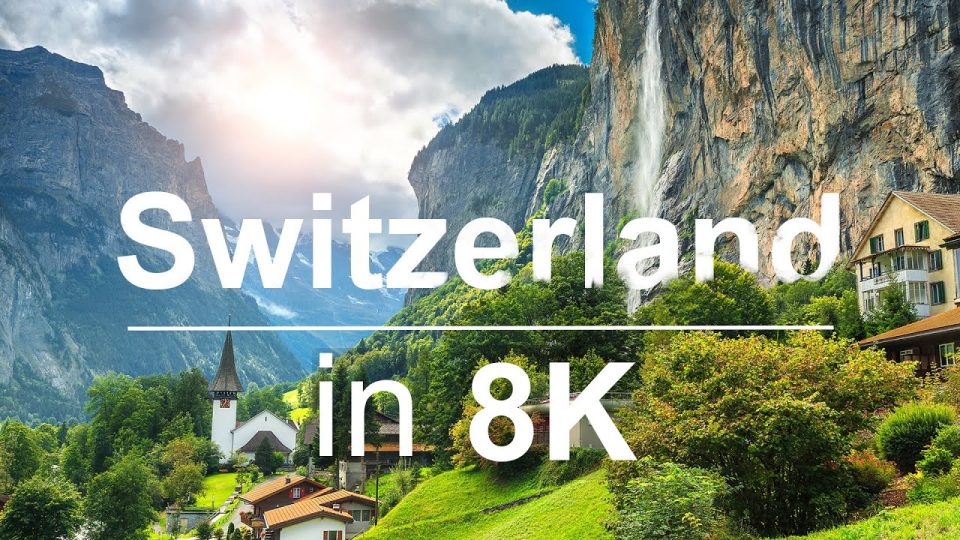
Lauterbrunnen Valley, a little Piece of Heaven in Switzerland. Walk tour
Alpine cantons (from highest to lowest) Valais, Bern, Graubünden, Uri, Glarus, Ticino, St. Gallen, Vaud, Obwalden, Nidwalden, Schwyz, Appenzell Innerrhoden, Appenzell Ausserrhoden, Friborg, Lucerne and Zug. Countries that share the distribution of the Alps with Switzerland (from west to east): France, Italy, Austria and Liechtenstein. Photo & Video gallery continues...
HOW TO TRAVEL THE SWISS ALPS IN NOVEMBER
The latter is part of the Central Eastern Alps, except for the Ortler Alps, which belong to the Southern Limestone Alps. The Pennine, Bern, and Bernina Mountain Ranges are the country's highest mountain ranges, with peaks of 38, 9, and 1, respectively, over 4000 metres. The smallest mountain range, the Appenzell Alps, is 2,500 meters. Rivers The northern side of the Swiss Alps is drained by the Rhône, Rhine and Han (part of the Danube basin), while the southern side is drained by the Ticino (Po basin).
Driving in Switzerland: From Grindelwald to Lauterbrunnen
The rivers in the north flow into the Mediterranean, the North Sea and the Black Sea, and the southern ones into the Po river in the Adriatic Sea. The important tripartite basin within the country in the Alps; Piz Lunghin are Witenwasserenstock and Monte Forcola. Between Witenwasserenstock and Piz Lunghin, the European Basin is operated, separating the Atlantic basin (North Sea) and the Mediterranean (Adriatic and Black Sea). The European basin actually lies only partially in the main chain. Switzerland has 6% of Europe's clean water and is sometimes referred to as "Europe's water tower".
TOP 5 SWITZERLAND LAKES in the SWISS ALPS (TRAVELLERS PARADISE)
Lakes Since the highest dams are located in the Alpine regions, many large mountain lakes are artificial and used as hydroelectric reservoirs. Large artificial lakes above 2,300 m can be found, but natural lakes larger than 1 km² are generally below 1000 m (with the exceptions of lakes in Engadin and Oeschinen in the Bern Oberland). Melting low-altitude glaciers can create new lakes, such as the 0.25 km² Triftsee, formed between 2002 and 2003.
Oeschinensee | The Lake in the Heart of the Alps
Switzerland Geography The geography of Switzerland covers the geographical features of Switzerland, a mountainous and landlocked country located in Western and Central Europe. It borders with 5 countries: Austria and Liechtenstein to the east, France to the west, Italy to the south and Germany to the north. Switzerland has a length of 220 km in a north-south direction and 350 km in an east-west direction. Photo & Video gallery continues...
The Alps
Among the high peaks of the Swiss Alps (the highest peak is Dufour Peak at 4,634 meters) are valleys, some with glaciers. Major rivers such as the Rhine, Rhône, Inn, Aare and Ticino originating here; It empties into lakes such as Lake Geneva, Lake Zurich, Lake Neuchâtel and Lake Constance.
Kandersteg, the Village in the Heart of the Alps| Walk Tour | Switzerland
With more than 1,500 lakes, Switzerland has about 6% of the clean water reserves in Europe. Lakes and glaciers make up about 6% of the country's land. While the more densely populated northern part of the country is more flat, it can also be mountainous, such as the smaller Jura Mountains to the northwest. Although the climate of Switzerland is generally mild, it varies from region to region, from the harsh conditions in the high mountains to the warm Mediterranean climate at the southern tip of Switzerland.
The Swiss Alps: Wild Animal Paradise | Free Documentary Nature
Due to the presence of many valleys separated by high mountains, Switzerland's ecosystems are very sensitive and almost every valley has its own unique ecologies. In mountainous regions, there is a rich vegetation that is not found in other elevations.
Swiss Alps 4K - 30 Minute Relaxation Film with Calming Music
Swiss Climate and Environmental Conditions Although there are differences from place to place, Switzerland has a temperate climate in general. The summer months are rainy with a certain frequency and the temperature and humidity are suitable for pasture and grazing.
Photo & Video gallery continues...
In the winter months, when the humidity is low compared to summer months, stable weather conditions are observed at the high points, while the temperature inversion is seen in the low areas, so sunless periods can be experienced. During periods of heavy rain on the south side of the Alps, warm foehn winds come into the northern Alps. The driest weather conditions occur in the interior of the Alpine valleys (due to the fact that the clouds moving towards this region lose a significant part of their content as they pass over the mountains).
Gstaad Switzerland | Walking Tour | the Oasis of Rich People
Precipitation in large areas such as Graubünden in the Alps is less than in south-west viticulture regions such as the Valais. The wettest weather conditions are seen high in the Alps and in the canton of Ticino.
Glacier Express in Winter Snow: From Zermatt to St Moritz (Interrail/Eurail)
Although it is seen all year, the most rain falls in the summer months. In general, autumn is the driest season and winters receive less rain than summers, but seasonal variations in the Swiss climate are noticeable from year to year. Top tourist questions about the Swedish Alps
Switzerland - Heaven of Earth
- Where are the Swiss Alps in Switzerland? The Swiss Alps are situated south of the Swiss Plateau and north of the national border. The limit between the Alps and the plateau runs from Vevey on the shores of Lake Geneva to Rorschach on the shores of Lake Constance, passing close to the cities of Thun and Lucerne. Photo & Video gallery continues...
GRINDELWALD FIRST │ SWITZERLAND. Day trip to Mt. First explained. Stunning Swiss Alps views
- Which country are the Swiss Alps? The Alps are a mountain range across France, Germany, Switzerland, Liechtenstein, Italy, Austria and Slovenia. The Swiss Alps are often characterized as the most spectacular part of the Alps. It's almost needless to say that the Alps are what Switzerland is famous for.
Switzerland Mountain Coaster
- Is the Swiss Alps expensive? Visiting the Swiss alps can be very expensive, especially if you use the mountain transport and visit the most famous places. If you visit places like the Matterhorn and Jungfrau, these can cost hundreds of francs for a family, meaning you could spend most of your travel budget on just one outing. - What is the best month to go to Switzerland? The best time to visit Switzerland is from June to August. Although, as you explore this snowy heaven further, you'll realise that Switzerland can be seen in different shades and colours as each season changes, so the best time depends on your plans.
HIKING IN THE SWISS ALPS | MOST SCENIC HIKE EVER
- What to wear in Swiss Alps? Below are the must-have essentials to bring along on your trip to the Alps. Closed-toed shoes. Waterproof Boot I Lace-up Boot. ... Warm jackets and sweaters are essential. ... Be prepared for snow even in summer. ... Pack durable pants. ... Bring waterproof clothing. ... Bring hiking clothes. ... Wear layers. ... Take along versatile clothing pieces.
Lauterbrunnen, Switzerland's most beautiful Village
- Can you live in the Swiss Alps? The Swiss village of Albinen, near Leukerbad in the canton of Valais, will be voting on an initiative that would offer money to non-residents who are willing to live in the village for at least 10 years. ... Photo & Video gallery continues...
Skydiving In The Swiss Alps
- Which country has most of the Alps? From a strictly national point of view, and with the exception of microstates Liechtenstein and Monaco, the Alps are dominant in only two countries: Austria (65.5% of its territory) and Switzerland (65%). - Are the Swiss Alps in Germany? The Alps form part of France, Italy, Switzerland, Germany, Austria, Slovenia, Croatia, Bosnia and Herzegovina, Montenegro, Serbia, and Albania. - What separates Italy from Switzerland? The Pennine Alps, which form the border between Switzerland and Italy.
Wild Swiss Alps MTB Ride in 4K
- What language do the Swiss speak? German Italian Romansh French The four national languages of Switzerland are German, French, Italian and Romansh. German, French and Italian maintain equal status as official languages at the national level within the Federal Administration of the Swiss Confederation, while Romansh is used in dealings with people who speak it. - Why Switzerland is so expensive? Originally Answered: Why is Switzerland so much more expensive than its surrounding countries? Because the standard of living and the wages are much higher. You pay more, which leads to people getting paid more, which leads to people being able to afford the prices. - How can I eat cheap in Switzerland? To eat on a budget, buy your meals at markets, such as Coop and Migros. Some have delis where you can buy prepared food. A modest sandwich might cost you about $5 or $6. Don't forget to wash it down with fountain water.
Swiss Alps Nature
- What is the cheapest month to fly to Switzerland? Top tips for finding cheap flights to Switzerland. Book at least 3 weeks before departure in order to get a below-average price. High season is considered to be June, July and August. The cheapest month to fly to Switzerland is January. - What is the rainiest month in Switzerland? June is the month with the most rainfall. Rain falls for 12.7 days and accumulates 128mm (5.04") of precipitation.
The Alps 4K - 60 Minute Relaxation Film with Calming Music
- Do people speak English in Switzerland? English is the most common non-national language and is regularly spoken by 45% of the population in Switzerland. English is more widespread in the German-speaking part of the country than in Italian- and French-speaking regions (46% vs 37% and 43% respectively). Photo & Video gallery continues...
This Swiss Restaurant Is Built Into the Side of a Mountain
- What should I wear in Zermatt? Even if you're not planning to ski, dress as if you are! Thermals, gloves, a hat, snow boots or hiking boots, and a decent ski jacket are all essential. It can be quite warm during the day but as the sun disappears, you'll really feel the chill. - Where should I live in the Alps? Spiez, Switzerland. For astounding views of the Swiss Alps and magnificent architecture, head to the lovely town of Spiez. ... Chamonix, France. ... Salzburg, Austria. ... Gimmelwald, Switzerland. ... Thonon-Les-Bains, France. - What wildlife lives in the Alps? They include the Alpine Marmot, the Chamois and Alpine Ibex, and the European Lynx. Some others are animals that live in mountains in other parts of Europe or on other continents too, such as the Red Squirrel and the Brown Hare.
Autumn in Switzerland - Expat Life in the Swiss Alps
- Is food expensive in Switzerland? Switzerland has been ranked the second-most expensive European country behind Iceland for consumer goods, which are 59% higher than the European Union average. Food and non-alcoholic drinks are particularly pricey. - How expensive is Switzerland vacation? The average price of a 7-day trip to Switzerland is $1,642 for a solo traveler, $2,423 for a couple, and $3,125 for a family of 4. Switzerland hotels range from $80 to $374 per night with an average of $144, while most vacation rentals will cost $180 to $510 per night for the entire home. - How much does a Switzerland trip cost? Your Switzerland trip cost will depend on whether you are looking for customised Swiss tours or a group holiday. Typically, group departures with good quality hotels cost around Rs. 1 Lakh per person, while customised Switzerland travel by yourself would cost around Rs. 1.2 Lakh to 1.5 Lakh per person. - Which Alps are the most beautiful? The most beautiful places of the Alps Mont Blanc. The highest mountain of the Alps, France and Italy. ... Tre Cime di Lavaredo. The most beautiful mountains in the Dolomites. ... Grenzgletscher Glacier. A glacier from Monte Rosa. ... Krimml Falls. ... Jungfraujoch pass. ... Verdon canyon. ... Aiguille du Midi. ... Lago di Braies - Pragser Wildsee.
Interlaken Switzerland
- Is Switzerland more beautiful than Austria? If you are a nature enthusiast and planning the ultimate European Alpine vacation, then you should probably travel to Switzerland. Although Austria's mountainous landscape is stunning, it simply cannot beat the beauty of Switzerland's many alpine lakes. ... You can find more guides for Austria here. - What percentage of the Swiss Alps is in Switzerland? [the_ad id="180455"] Around 20% of the Alps are in Switzerland. Stretching over 23km, the Aletsch Glacier in the canton of Valais is the longest glacier in Europe. Glaciers cover approximately 1,000 km2 of Switzerland's territory. - What's the capital of Switzerland? Many people are surprised when they hear that pretty little Bern is the Swiss capital. - Are the Alps still rising? To put a number on it, that region of the Alps is growing about 31 inches (80 cm) every millennium, after accounting for erosion, the researchers found. "This means that the Central Alps are still growing, and surprisingly quickly," Schlunegger said. - What is Switzerland famous food? Cheese fondue. Melted cheese with bread cubes. ... Raclette. Melted cheese served with "Gschwellti" (jacket potatoes), cocktail gherkins and onions as well as pickled fruit. Älplermagronen. ... Rösti. ... Birchermüesli. ... Swiss chocolate. ... Swiss cheese. - Why does Switzerland have 4 languages? The Germanic Alemanni conquered northern Switzerland and brought their language — a forerunner of today's Swiss German dialects — with them. ... These different territorial dominions are the reason that four national languages are spoken in this relatively small country: German, French, Italian, and Romansh. - How much cash should I carry to Switzerland? There is no limit to the amount of cash which you can carry into or out of Switzerland and you are not obligated to declare your money when you enter or leave Switzerland. This applies to Swiss francs and foreign currency, as well as securities, gift cards, checks and other cash equivalents. - Can I drink the tap water in Switzerland? Swiss drinking water is of very high quality and meets strict guidelines regarding hygiene and safety. Like any natural product, tap water contains trace substances, but due to the stringent regulations on drinking water treatment, their concentration is at such a low level that it can be drunk without hesitation. - How safe is Switzerland? It has, for years, ranked high in the lists of the most secure places in the world. In 2019, the Global Peace Index ranked Switzerland as the 11th safest place on earth. Historically, Switzerland has maintained a neutral position in times of wars. - What is the best month to go to Switzerland? The best time to visit Switzerland is from June to August. Although, as you explore this snowy heaven further, you'll realise that Switzerland can be seen in different shades and colours as each season changes, so the best time depends on your plans. Photo & Video gallery continues...
Photo & Video gallery continues...
Yorumlar
Yorum yazabilmek için giriş yapmalısınız.
Bilgi: Butona tıkladığınızda xloji güvenli giriş sayfasına yonlendirileceksiniz. Giriş yaptığınızda otomatik olarak bu sayfaya geri döneceksiniz. İlk giriste hoş geldin enerjisi tanımlanır.
Yorumlar yükleniyor...